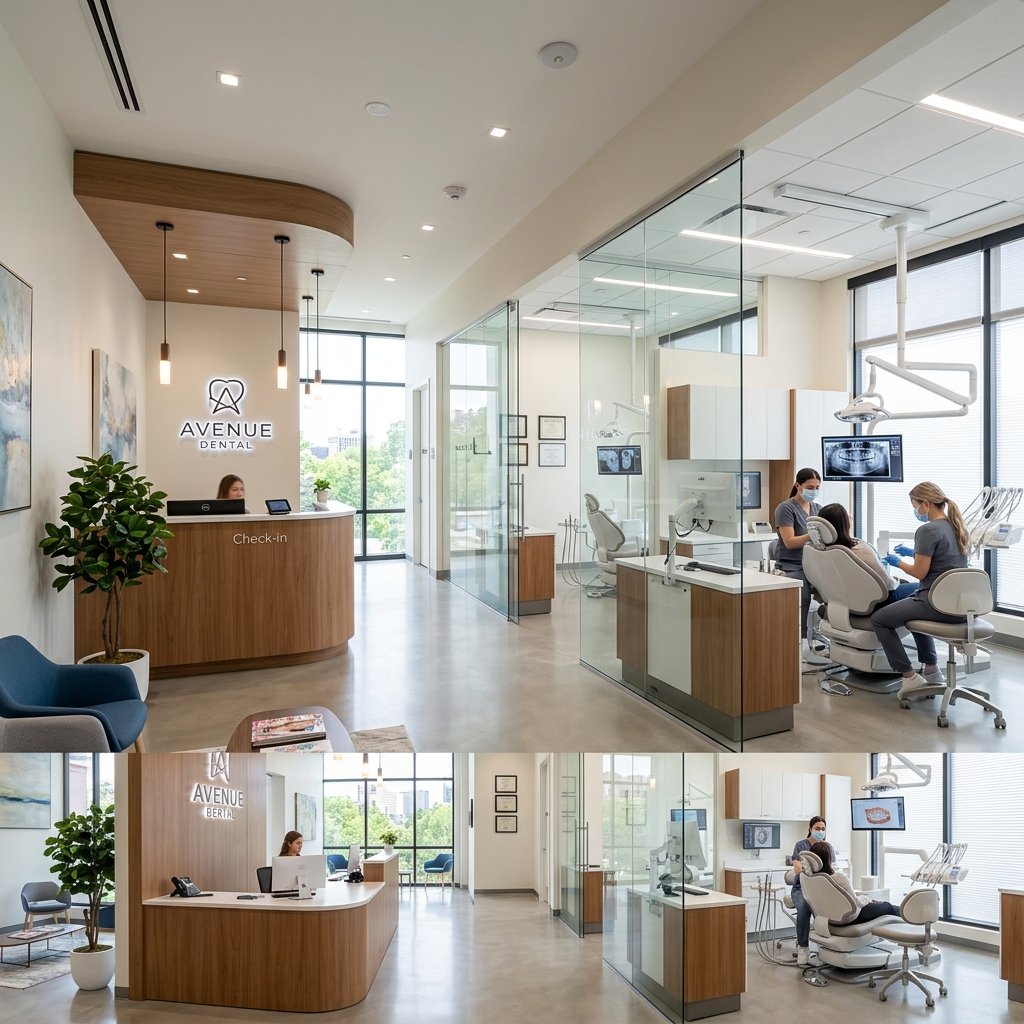
Comprehensive Guide to SBA Loans for Dental Practices
The dental industry is widely recognized by banks and commercial lenders as one of the safest sectors to finance. Because dental practices boast consistently low default rates and robust, recurring patient revenue, acquiring funding for a dental practice via an SBA loan is generally smoother than in many other industries.
Whether you are a new dentist looking to acquire your first practice, an established practitioner seeking to upgrade costly dental equipment, or a growing group looking to expand into multiple locations, the U.S. Small Business Administration (SBA) offers highly competitive financing options.
This guide explores how SBA loans work for dental practices, the typical requirements you must meet, and which programs are best suited for your specific financing needs.
Common Uses for Dental Practice SBA Loans
Dental practices have unique financing needs due to the high cost of specialized equipment and the significant capital required to purchase an existing book of business. SBA loans are highly versatile and can be used for a variety of critical growth phases.
1. Dental Practice Acquisition
Buying an existing dental practice is one of the most common reasons dentists seek SBA financing. The SBA 7(a) loan is particularly well-suited for practice acquisitions. Unlike traditional commercial loans that may require heavy tangible collateral (like real estate), the SBA 7(a) loan allows lenders to finance the “blue sky” or goodwill of the practice (the existing patient list, brand reputation, and staff).
2. Specialized Dental Equipment
Outfitting a modern dental clinic is incredibly expensive. From CBCT scanners and digital panoramic X-ray machines to CAD/CAM milling units and ergonomic operatory chairs, the costs can easily exceed $150,000 per operatory. SBA loans can be used to finance this equipment over a 10-year term, preserving your working capital.
3. Real Estate and Office Build-Outs
Many dentists eventually choose to purchase the real estate their practice operates in. If you are looking to buy commercial real estate or construct a new standalone dental clinic, the SBA 504 loan program is the gold standard, offering fixed, below-market interest rates and requiring only a 10% down payment.
Why Lenders Love Financing Dentists
SBA preferred lenders aggressively compete for dental practice loans. This competition works in your favor, often resulting in better interest rates and more flexible terms. Lenders favor dentists for several reasons:
- Low Default Rates: Historically, dental practices have some of the lowest default rates in the commercial lending space.
- High Profit Margins: A well-managed dental practice typically enjoys strong profit margins and excellent Debt Service Coverage Ratios (DSCR). You can calculate your exact DSCR using our DSCR Calculator.
- Recession Resistance: Dental care is essential. While cosmetic procedures may dip during economic downturns, preventative and restorative care remains consistent.
SBA 7(a) vs. SBA 504 for Dentists
Understanding the difference between the two primary SBA loan programs is crucial for structuring your dental practice financing correctly.
| Feature | SBA 7(a) Loan | SBA 504 Loan |
|---|---|---|
| Best For | Practice acquisition, working capital, equipment, partner buyouts | Commercial real estate purchase, ground-up construction, heavy equipment |
| Maximum Loan Amount | $5 Million | $5.5 Million (SBA portion) + Bank portion |
| Down Payment (Equity) | Typically 10% | Typically 10% |
| Loan Terms | 10 years (business/equipment) to 25 years (real estate) | 10, 20, or 25 years |
| Interest Rates | Usually variable (tied to Prime Rate) | Fixed rates |
If you are buying a practice that includes the real estate, it is common to use an SBA 7(a) loan for the business acquisition and a companion SBA 504 loan for the real estate. To estimate what your monthly payments might look like, utilize our free Loan Payment Calculator.
Qualifications and Requirements for Dental SBA Loans
While lenders favor the dental industry, you must still meet strict underwriting guidelines to secure an SBA loan.
1. Debt Service Coverage Ratio (DSCR)
Lenders will closely analyze the practice’s historical cash flow (if you are acquiring) or your projected cash flow (if starting fresh). They want to see a minimum DSCR of 1.15x to 1.25x. This means the practice generates at least 15% to 25% more net operating income than the total annual debt obligations.
2. Personal Credit and Debt
Your personal financial health is heavily scrutinized. Most lenders require a personal credit score of 680 or higher. A critical factor for newer dentists is student loan debt. While high student loan balances are expected in the medical field, lenders will factor your monthly student loan payments into your global cash flow analysis.
3. Industry Experience
To qualify for a practice acquisition loan, lenders typically require you to have 1 to 2 years of clinical experience post-dental school. They want to ensure you have the clinical speed and competence to maintain the existing practice’s production levels before handing you the keys to a multimillion-dollar business.
How to Apply for Your Dental SBA Loan
- Gather Your Documents: You will need three years of personal and business tax returns, a current personal financial statement (SBA Form 413), a detailed business plan (for startups), and the seller’s financials (for acquisitions).
- Verify Eligibility: Ensure your practice meets the SBA’s size standards for NAICS code 621210. You can review official guidelines on the SBA’s official size standards page.
- Find an SBA Preferred Lender (PLP): PLP lenders have the authority to approve SBA loans in-house without sending the file to the SBA for final review, cutting weeks off the funding timeline.
Financing your dental practice with an SBA loan is one of the smartest financial moves you can make, offering long repayment terms, low down payments, and the capital necessary to scale your clinical vision.