Comprehensive Guide to SBA Loans for E-Commerce Businesses
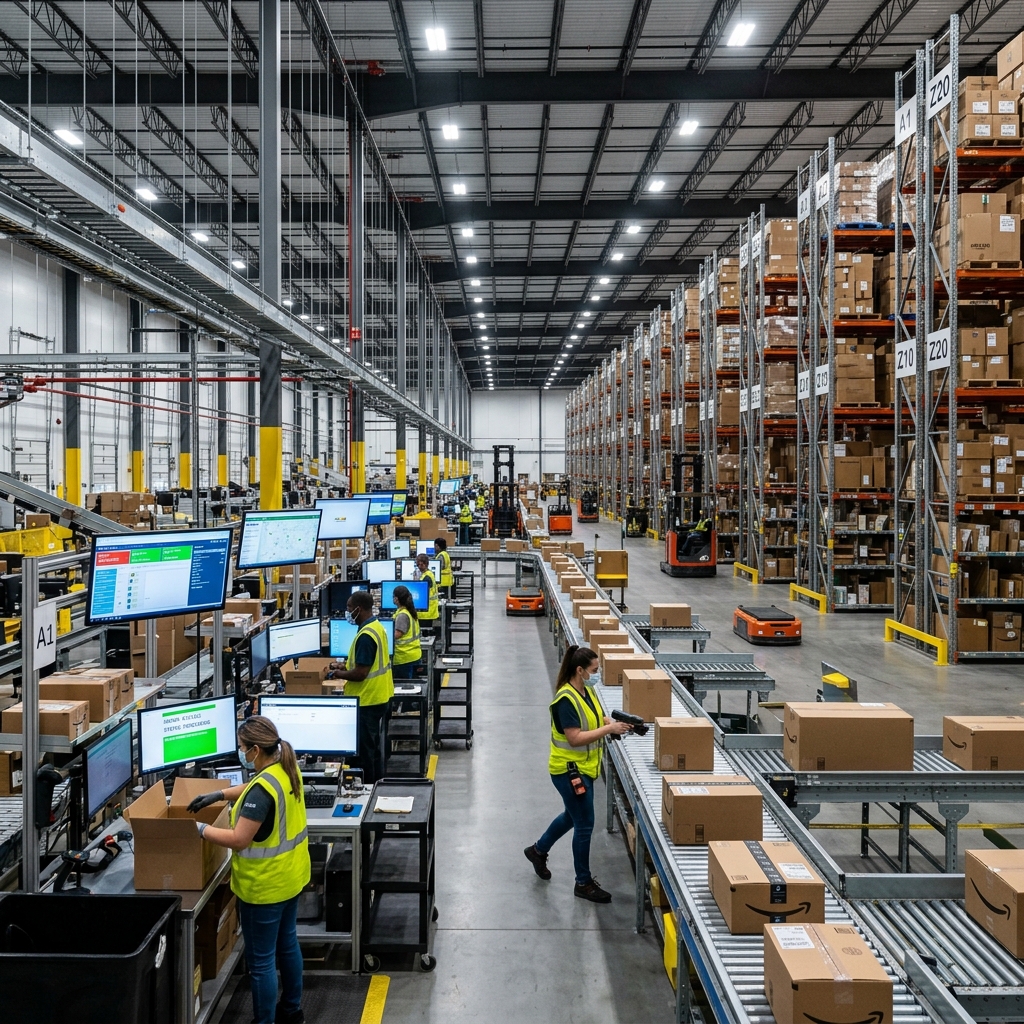
The e-commerce landscape is fiercely competitive and intensely capital-driven. Whether you are an Amazon FBA seller importing containers from overseas, a direct-to-consumer (DTC) Shopify brand scaling ad spend, or a dropshipper transitioning to wholesale inventory, cash flow is the lifeblood of your operation.
Historically, traditional banks have struggled to underwrite digital businesses because they lack physical real estate or heavy machinery to use as collateral. However, the U.S. Small Business Administration (SBA) loan programs—specifically the SBA 7(a) and SBA Express—bridge this gap, offering long-term capital based on cash flow rather than hard assets.
This guide explores how online retailers can leverage SBA financing to buy bulk inventory, acquire competing brands, or scale digital marketing efforts.
How E-Commerce Brands Use SBA Loans
SBA loans are highly flexible, which is critical for digital businesses whose primary expenses are often intangible (like marketing) or highly liquid (like inventory).
1. Bulk Inventory Purchasing
The biggest bottleneck for a growing e-commerce brand is inventory stockouts. When a product goes viral, you need capital to place massive purchase orders (POs) with manufacturers. SBA loans provide the working capital necessary to buy inventory in bulk, secure volume discounts, and keep your top-selling SKUs in stock. Because the standard SBA 7(a) loan offers 10-year repayment terms, you aren’t forced to repay the loan out of the immediate profit of that single inventory run.
2. Digital Marketing and Customer Acquisition
Scaling a DTC brand requires aggressive spending on Meta, Google, and TikTok ads. An SBA loan can serve as a war chest for customer acquisition. While lenders prefer to finance tangible assets, a well-documented business plan showing a strong Return on Ad Spend (ROAS) can justify using SBA working capital for marketing.
3. Brand Acquisitions (Amazon Aggregation)
If you operate in the Amazon FBA space, one of the fastest ways to grow is by acquiring complementary seller accounts or niche brands. The SBA 7(a) program can be used to acquire e-commerce businesses with a 10% to 15% equity injection.
Why E-Commerce is Unique in SBA Underwriting
Because e-commerce businesses differ vastly from traditional brick-and-mortar stores, lenders look at entirely different metrics when deciding to approve your loan.
- Platform Dependency: Lenders assess your risk based on your sales channels. A brand generating 100% of its revenue on Amazon FBA is viewed as riskier than a brand with a 50/50 split between Amazon and their own Shopify store. Diversification matters.
- Inventory Obsolescence: If you sell seasonal apparel or rapidly changing tech gadgets, lenders worry your inventory might lose its value before it sells. High inventory turnover ratios are critical.
- Return Rates: High return rates eat into profit margins and complicate cash flow. Demonstrating stable, low return rates proves operational competence.
The Best SBA Programs for E-Commerce
E-commerce businesses generally rely on two specific SBA programs.
| Feature | SBA Express | SBA 7(a) Standard |
|---|---|---|
| Best For | Short-term inventory, marketing pushes | Brand acquisitions, massive inventory buys |
| Max Amount | $500,000 | $5 Million |
| Funding Speed | 30 to 45 Days | 60 to 90 Days |
| Collateral Req. | Lower threshold | Lien on business assets (inventory/IP) |
Many online sellers use an SBA Express Line of Credit to manage the seasonal swings of Q4 holiday inventory buying. You can estimate your potential loan costs using our SBA Fee Calculator.
Qualifications for Online Retailers
To secure SBA funding, your e-commerce business must prove financial stability over a sustained period.
1. Debt Service Coverage Ratio (DSCR)
Lenders want to see a minimum DSCR of 1.15x to 1.25x based on your historical tax returns. Because e-commerce can have explosive month-over-month growth, lenders will average your income to ensure you can support the new debt. Calculate your exact DSCR using our DSCR Calculator.
2. Time in Business
While the SBA theoretically funds startups, it is extremely difficult for an e-commerce startup to get an SBA loan without heavy outside collateral (like home equity). Most lenders require at least two years of profitable operating history.
3. Clean Financials and Tax Returns
Many e-commerce sellers aggressively write down their inventory or take massive deductions to minimize tax liability. This hurts your SBA eligibility. Lenders underwrite based on the net income reported on your tax returns. If you show zero profit to the IRS, a lender cannot approve a loan based on that tax return.
Applying for an E-Commerce SBA Loan
- Prepare E-Commerce Metrics: In addition to tax returns, be ready to provide your Shopify analytics, Amazon Seller Central reports, customer acquisition cost (CAC) data, and lifetime value (LTV) metrics.
- Verify Size Standards: Your business must meet the SBA definition of a small business. For NAICS code 454110 (Electronic Shopping), average annual receipts must not exceed $40 million. Check the SBA size standards tool for the latest rules.
- Work with a Digital-Friendly Lender: Not all SBA Preferred Lenders (PLP) understand e-commerce. Seek out lenders who specifically mention digital retail or FBA acquisitions in their lending criteria.
With the right capital strategy, an SBA loan can transform a modestly successful online store into an e-commerce empire.